
NAPLAN
This week, our students in Year 3, 5, 7 and 9 have been participating in the annual NAPLAN assessments. NAPLAN helps schools, families and teachers understand each student’s progress in key areas of literacy and numeracy. While it is just one measure of learning, it provides useful information that supports planning and ongoing improvement across the school.
In preparation for NAPLAN, students have been developing test‑taking strategies, familiarising themselves with the online platform and practising how to manage their time calmly and confidently. We are incredibly proud of the positive attitude and effort students have shown throughout the week.
NAPLAN Interruptions
Families may be aware that yesterday’s NAPLAN sessions were impacted by unexpected interruptions. These included technical issues that affected the online testing platform, causing delays for some classes. Our staff responded quickly to ensure students remained calm and supported while the issues were resolved. All students were able to complete the test with extra time available for students.
Looking Ahead
As always, we remind families that NAPLAN is only one snapshot of a child’s learning. Results will be shared later in the year and will help our teachers continue to tailor teaching and support to meet the needs of every learner. What matters most is the effort students put in and the confidence they continue to build.
Year 7-9 Maths Workshops
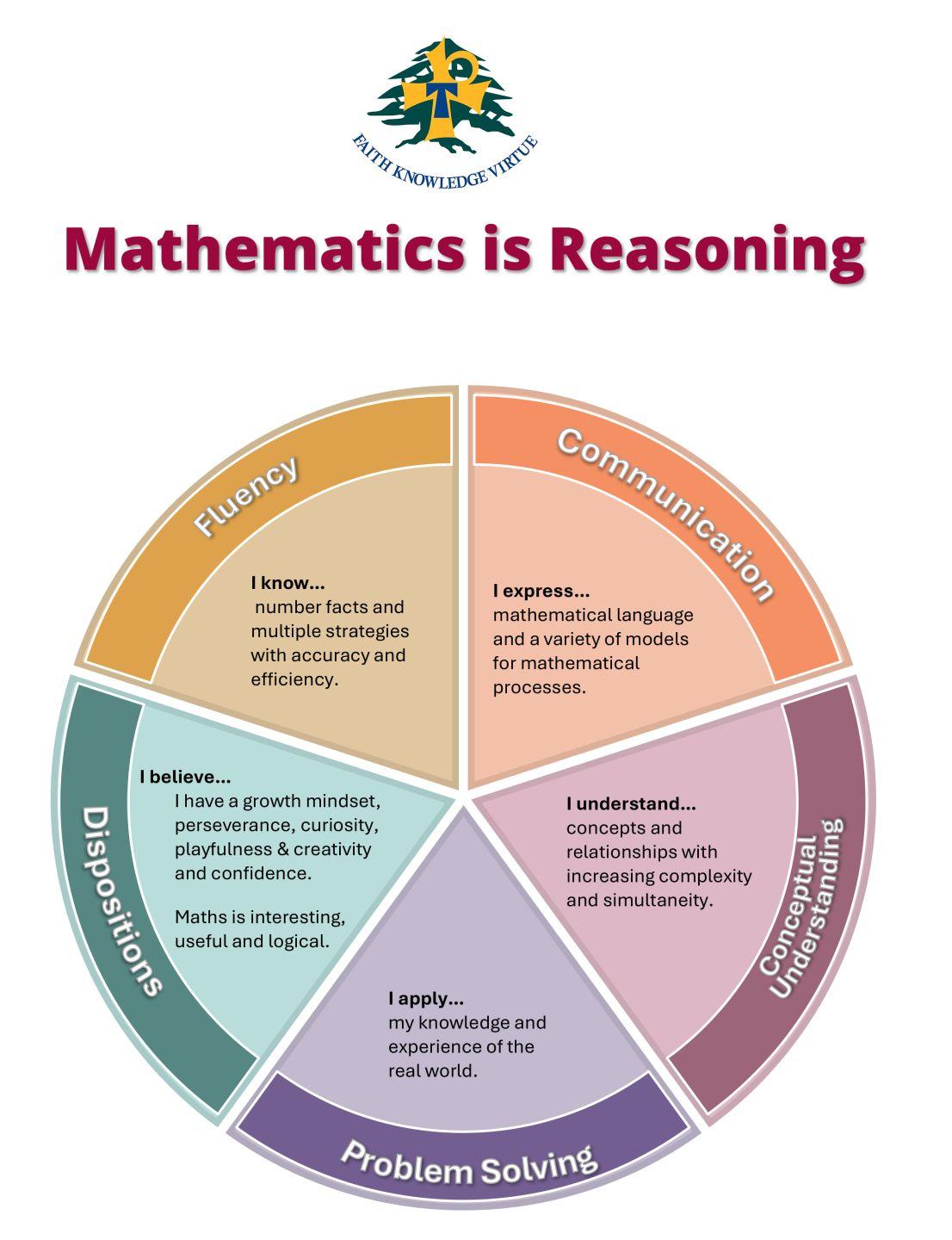
Each cycle, students in Years 7–9 spend one of their timetabled Maths lessons taking part in a Maths Workshop. These workshops involve team teaching and place a strong emphasis on Problem Solving and Mathematical Dispositions, which are key elements of our Maths is Reasoning pedagogical approach. Students engage in challenges, hands‑on activities, and collaborative tasks designed to build their mathematical thinking in a fun, games‑based environment.
The photos included show our Year 8 students participating in the Card Pyramid game. Working in pairs, students compete to create a target number (20) using the cards flipped from the top of each pile. They can use any of the four operations—addition, subtraction, multiplication, or division—to reach the target. Students keep the cards they successfully use, and the winner is the player with the most cards once the deck has been exhausted.
- Ms Ria Coffey